Neuronal Ceroid Lipofuscinosis 5 in dogs
Muscle/NeurologicalRecessive

Neuronal Ceroid Lipofuscinosis 5 in Dogs

20/08/2025 by Dr Robyn Bird

Category

Muscle/Neurological

Inheritance

Recessive

Gene

CLN5

Breeds at Risk

2+ breeds

Overview

Neuronal ceroid lipofuscinosis type 5 (NCL-5) is a rare inherited disease that affects breeds such as Border Collies, Australian Cattle Dogs, and Golden Retrievers. It is caused by a mutation in the CLN5 gene, which is important for the normal function of lysosomal enzymes. When this gene does not work properly, waste products build up inside nerve cells, leading to progressive damage of the nervous system.

In This Article

Embark Dog DNA Test

Recommended Product

Your dog's DNA could reveal hidden health risks.

Screen for 270+ genetic health risks and 350+ breeds. Veterinarian developed, research partner of Cornell University.

$199 USD
$139 USD
Save $60· Free US Shipping

Symptoms

NCL-5 usually appears between 15 and 20 months of age. Early signs often include changes in behaviour, such as losing interest in play, not responding to commands, irrational fears, aggression, or even signs of hallucinations. As the disease progresses, affected dogs may develop poor coordination, seizures, unusual gait, vision loss, lethargy, and aimless wandering. Symptoms worsen steadily, and most affected dogs have a shortened lifespan, rarely surviving beyond 32 months.

Care and Management

There is currently no cure for NCL-5. Care focuses on keeping affected dogs safe and comfortable for as long as possible. Vets may help manage seizures, provide advice for handling behaviour changes, and guide owners on maintaining quality of life. While the condition is progressive and ultimately life-limiting, supportive care and close monitoring can help ensure affected dogs are cared for.

Breeds Commonly Affected

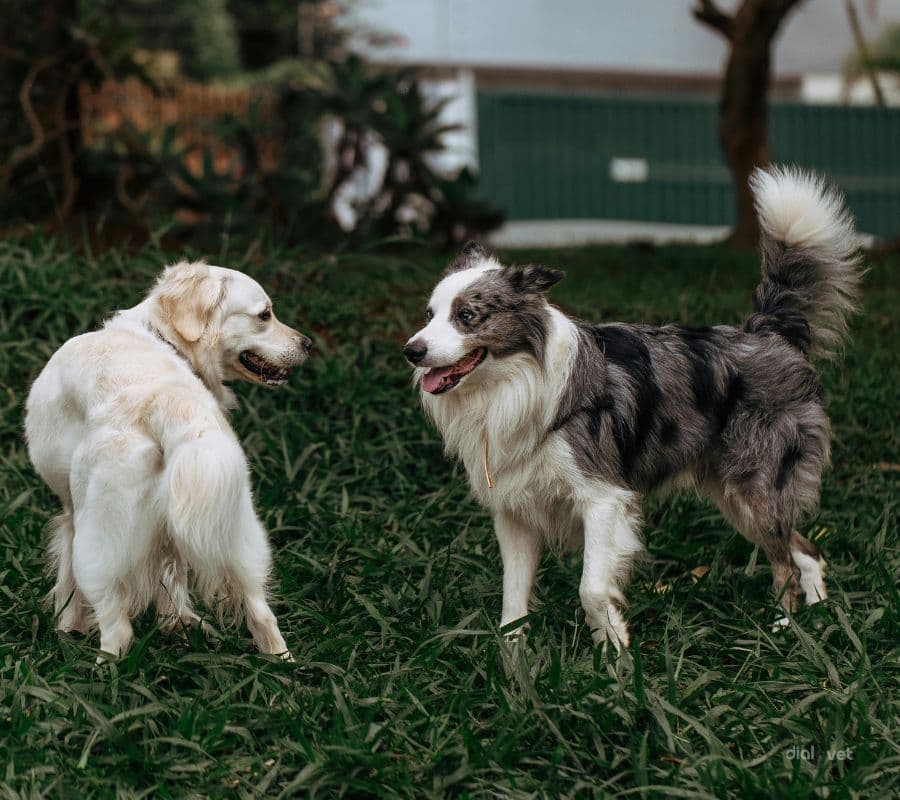
Australian cattle dogborder collie

Learn More About Neuronal Ceroid Lipofuscinosis 5

How do I tell if my Border Collie has NCL5?

Those signs in a Border Collie at that age are concerning for NCL5. It typically appears between 15 and 20 months and progresses with behavioral changes (losing interest, confusion), loss of coordination, vision problems, and eventually seizures. The progressive nature is key — signs that keep getting worse over weeks to months in a young dog of an affected breed should raise alarm. NCL5 is caused by a mutation in the CLN5 gene. DNA testing is definitive. Please book a neurological exam soon. Our vets can help you understand the diagnostic pathway and what results would mean.
What should I do if my dog has NCL5?

I'm truly sorry — NCL5 is one of the hardest diagnoses. Focus on quality of life: keep the environment safe and predictable, manage seizures with anticonvulsants when they develop, maintain routine and familiar surroundings (confused dogs do much better with consistency), and provide gentle enrichment matching current abilities. Monitor for difficulty swallowing. Think about quality-of-life benchmarks now — what would tell you it's time? Please inform the breeder so they can prevent the pairing from being repeated. Our vets can support you with seizure management and the difficult conversations ahead.

Can NCL5 be cured?

NCL5 has no cure and no treatment that slows progression. Research into gene therapy for NCL variants is active in both human and veterinary medicine, but nothing clinically available yet. Treatment is symptomatic: seizure control, supportive care, and comfort. The disease is always progressive and fatal, typically within 1–2 years of symptom onset. Prevention through DNA testing of CLN5 in breeding stock is the most impactful thing we can do right now.

How much does caring for a dog with NCL5 cost?

Diagnostics typically cost $300–$1,500 (DNA test, neurological exam, possibly MRI). Seizure medications run $30–$100/month with blood monitoring every few months ($80–$150). Emergency seizure visits can add $500–$1,500 per episode. Environmental modifications are modest. The disease typically progresses over 1–2 years, so total lifetime costs from diagnosis are usually $2,000–$8,000 depending on seizure severity and emergency frequency. Our vets can help optimize seizure management to reduce costs and improve quality of life.

How is NCL5 inherited and which breeds are affected?

NCL5 is autosomal recessive, caused by a CLN5 gene mutation. It primarily affects Border Collies and Australian Cattle Dogs. Affected dogs have two copies, carriers have one (clinically normal). DNA testing is definitive and widely available. The breeding rule: never mate two carriers. Carrier × Clear pairings are safe. Test all breeding stock and share results with breed health registries. Given the devastating nature of NCL5, DNA testing before any breeding is a non-negotiable responsibility. Our vets can help interpret results and advise on breeding programs.

References & Citations

Melville, SA., Wilson, CL., Chiang, CS., Studdert, VP., Lingaas, F., Wilton, AN. : A mutation in canine CLN5 causes neuronal ceroid lipofuscinosis in Border collie dogs. Genomics 86:287-94, 2005. Pubmed reference: 16033706. DOI: 10.1016/j.ygeno.2005.06.005.

Chat to our Global Vet Team

Get expert advice on symptoms, testing, and next steps for your dog from an online vet - all from the comfort of home.

Chat to a Vet Online
Embark Breed + Health Dog DNA Test

Recommended for Dog Owners

Embark Breed + Health Dog DNA Test

18,899 Reviews

The most comprehensive dog DNA test. Screen for 270+ genetic health risks and identify breeds from 350+ breeds, types & varieties.

$199$139Save $60

Free US Shipping · Veterinarian Developed