
Factor VII deficiency in dogs
Heart/BloodRecessive

Factor VII deficiency in Dogs

19/08/2025 by Dr Robyn Bird

Category

Heart/Blood

Inheritance

Recessive

Gene

F7

Breeds at Risk

5+ breeds

Overview

Factor VII deficiency is an inherited blood clotting disorder caused by a mutation in the F7 gene. Factor VII plays an important role in helping blood to clot. When levels are too low, the body cannot form clots properly. The condition follows an autosomal recessive pattern, meaning a puppy must inherit the mutation from both parents to be affected. It is considered a mild to moderate disorder, and certain breeds such as Beagles, English Bulldogs, and Alaskan Malamutes are more at risk.

In This Article

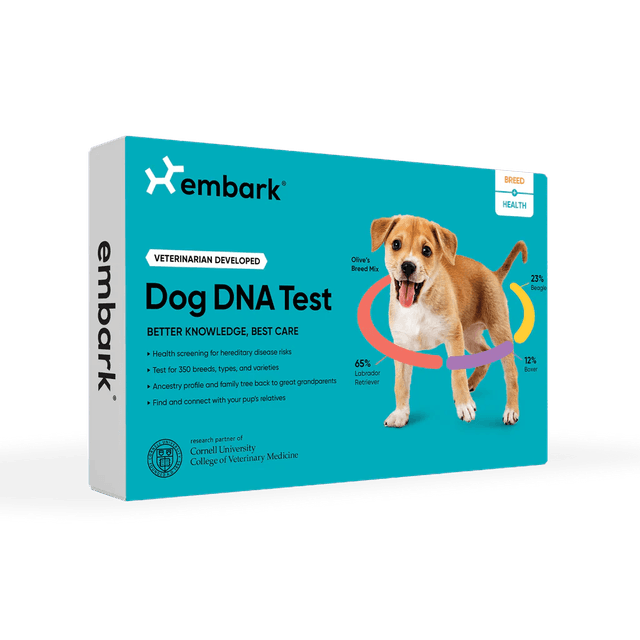
Embark Dog DNA Test

Recommended Product

Your dog's DNA could reveal hidden health risks.

Screen for 270+ genetic health risks and 350+ breeds. Veterinarian developed, research partner of Cornell University.

$199 USD
$139 USD
Save $60· Free US Shipping

Symptoms

Signs of factor VII deficiency are often not noticed until a dog undergoes surgery or experiences a significant injury. Because it is usually mild to moderate, most dogs do not show symptoms in daily life. The condition is commonly discovered during spay or neuter procedures, as this is usually a dog’s first major surgery. Affected dogs may bleed excessively and are at risk of severe or even life-threatening blood loss.

Care and Management

There is no cure for factor VII deficiency, but careful management can help keep dogs safe. It is very important to let your veterinarian know about the condition before any surgery so they can prepare for possible complications. Dogs may also need closer supervision during play or daily activities to reduce the risk of injuries that could cause excessive bleeding. With the right precautions, affected dogs can still live comfortably.

Breeds Commonly Affected

American pit bull terrieramerican water spanielaustralian shepherdbernese mountain dogborder

Learn More About Factor VII deficiency

How do I tell if my dog has Factor VII deficiency?

Factor VII deficiency is often silent until a bleeding event — many owners don't know their dog has it until surgery, a tooth extraction, or a significant injury triggers prolonged bleeding. In mild cases, dogs may never show obvious signs. In more severe cases, you might notice easy bruising, prolonged bleeding from small cuts, or blood in urine or stool. It's caused by a mutation in the F7 gene and is most common in Beagles, Deerhounds, and several other breeds. DNA testing is definitive. Our vets can help you understand whether testing makes sense and what precautions to take.
What should I do if my dog has Factor VII deficiency?

The most important step is making sure every veterinary professional who touches your dog knows about the condition — it needs to be flagged prominently on all records. Before any procedure (dental work, surgery, biopsies), your vet should have a bleeding management plan ready, which may include fresh frozen plasma. Avoid NSAIDs and other drugs that affect clotting unless your vet specifically approves them. In daily life, most affected dogs do fine — the condition mainly becomes an issue during medical procedures or significant trauma. Know the location of your nearest emergency vet. Our vets can help you create a comprehensive safety plan.

Can Factor VII deficiency be cured?

There's no cure — the clotting factor deficiency is genetic and lifelong. But it's very manageable with proper awareness. Most dogs with Factor VII deficiency live completely normal lives because the condition is typically mild to moderate. During bleeding episodes or before planned surgery, fresh frozen plasma transfusions can temporarily supply the missing clotting factor. The severity varies between individual dogs, so understanding where your dog falls on the spectrum helps with planning. Prevention through DNA testing of breeding stock is the long-term solution.

How much does Factor VII deficiency cost to manage?

Day-to-day costs are minimal since there's no ongoing medication. The expenses cluster around events: surgical pre-planning with fresh frozen plasma adds $300–$800 per procedure, and emergency bleeding episodes requiring transfusions can run $1,000–$3,000+. DNA testing is $75–$150/dog. Good preventive dental care reduces the need for extractions (a common bleeding trigger). Pet insurance taken out before diagnosis typically covers episodic bleeding events. The condition is one of the less expensive genetic disorders to manage because most dogs go long periods without needing intervention. Our vets can help you plan ahead for procedures.

How is Factor VII deficiency inherited and which breeds are affected?

Factor VII deficiency is autosomal recessive, caused by a mutation in the F7 gene. Affected dogs have two copies, carriers have one (typically no clinical signs), clear dogs have none. Commonly affected breeds include Beagles, Airedales, Alaskan Malamutes, Scottish Deerhounds, and others. DNA testing is definitive and widely available. Never mate two carriers — Carrier × Clear pairings produce no affected puppies. Since the condition is relatively mild, carrier status isn't usually a strict bar to breeding, but transparency with puppy buyers matters. Our vets can help interpret results and advise on breeding decisions.

References & Citations

Callan, MB., Aljamali, MN., Margaritis, P., Griot-Wenk, ME., Pollak, ES., Werner, P., Giger, U., High, KA. : A novel missense mutation responsible for factor VII deficiency in research Beagle colonies. J Thromb Haemost 4:2616-22, 2006. Pubmed reference: 16961583. DOI: 10.1111/j.1538-7836.2006.02203.x.

Chat to our Global Vet Team

Get expert advice on symptoms, testing, and next steps for your dog from an online vet - all from the comfort of home.

Chat to a Vet Online
Embark Breed + Health Dog DNA Test

Recommended for Dog Owners

Embark Breed + Health Dog DNA Test

18,899 Reviews

The most comprehensive dog DNA test. Screen for 270+ genetic health risks and identify breeds from 350+ breeds, types & varieties.

$199$139Save $60

Free US Shipping · Veterinarian Developed