Elbow dysplasia in dogs
Skeletal/JointComplex

Elbow dysplasia in Dogs

17/08/25 by Dr Robyn Bird

Category

Skeletal/Joint

Inheritance

Complex

Gene

Gene Not Determined

Breeds at Risk

6+ breeds

Overview

Elbow dysplasia in dogs is a genetic disorder that causes abnormal cells to grow in a dog’s elbow tissue, causing deformity. It is most prevalent in Rottweilers, Labrador Retrievers, German Shepherds, Golden Retrievers, and Chow Chows. While signs of elbow dysplasia may appear earlier, it is typically not diagnosed until 6 months of age; at this point, a dog’s growth plates will be fully closed.

In This Article

Embark Dog DNA Test

Recommended Product

Your dog's DNA could reveal hidden health risks.

Screen for 270+ genetic health risks and 350+ breeds. Veterinarian developed, research partner of Cornell University.

$199 USD
$139 USD
Save $60· Free US Shipping

Symptoms

The symptoms can affect only one front leg or both front legs. Signs of these symptoms, include reluctance to exercise, abnormal elbow positioning, and a bobbing walk.

Care and Management

Elbow dysplasia is treatable, but early intervention is essential. Surgery is typically the best option, but other treatments include weight management, joint supplements, braces, and physical therapy. Medications may also be prescribed to manage pain.

Breeds Commonly Affected

Airedale terrierakitaalaskan malamuteaustralian cattle dogaustralian shepherdbasset hound

Learn More About Elbow dysplasia

How do I tell if my dog has elbow dysplasia?

Those signs are worth taking seriously. A bobbing walk, abnormal elbow positioning, and reluctance to exercise are classic early indicators of elbow dysplasia — and Labs are one of the most commonly affected breeds. Dogs usually aren't diagnosed until around 6 months when growth plates close, so your dog is right in the window. The next step is a vet exam with imaging (X-rays, sometimes CT) to confirm. Book a consult with one of our vets and we'll help you figure out whether imaging is urgent and what to ask your in-person vet. Early intervention makes a real difference.
What should I do if my dog has been diagnosed with elbow dysplasia?

Take a breath — catching it is the hardest part. Your next decisions center on three things: managing pain now, deciding on surgery, and long-term joint care. Surgery is often the best option and gives the best long-term outcome, especially for younger dogs, but it's not the only path. Weight management is critical (every extra pound stresses the joint), joint supplements like omega-3s and glucosamine can help, and physical therapy or hydrotherapy is genuinely effective. Our vets can walk you through what questions to ask your surgeon, which supplements actually have evidence behind them, and how to set up your home to reduce strain on the elbows.

Is elbow dysplasia in dogs treatable or is it a lifelong condition?

Elbow dysplasia is treatable, but not curable in the sense that the joint will ever be completely normal again. With the right management — especially early surgical intervention — many dogs live full, active lives with minimal pain. Without treatment, it tends to progress into degenerative joint disease and arthritis. The realistic goal is long-term management: surgery if indicated, lifelong weight control, joint support, and pain management as your dog ages. Dogs diagnosed and treated before 12 months generally have the best outcomes.

How much does treating elbow dysplasia in dogs cost?

Costs vary depending on severity and treatment path. In the US, arthroscopic surgery for elbow dysplasia typically runs $2,500–$5,000 per elbow, and some dogs need both done. Non-surgical management is cheaper upfront but adds up over a lifetime — ongoing anti-inflammatories ($30–$80/month), joint supplements ($25–$60/month), and physical therapy ($50–$100/session). Pet insurance is worth checking; if you were insured before the diagnosis, surgery is often covered. Our vets can help you understand which treatment path makes most sense for your dog's severity, which can make the cost picture clearer before you commit.

Which dog breeds are most at risk for elbow dysplasia?

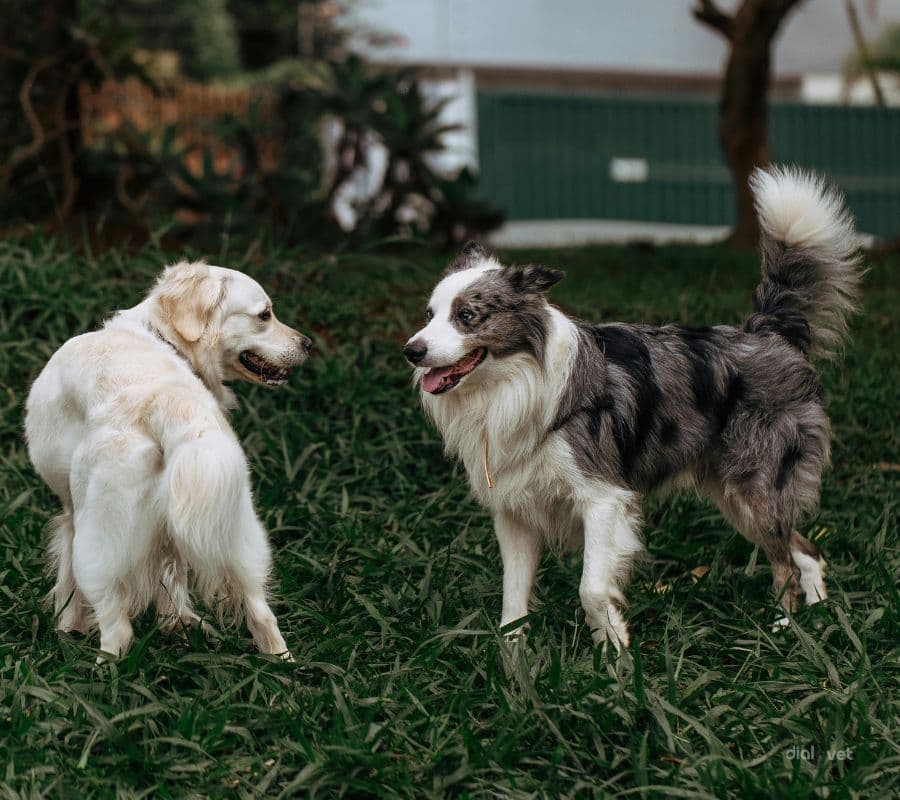
Golden Retrievers are in the top-five most affected breeds, alongside Rottweilers, Labs, German Shepherds, and Chow Chows. The condition is genetic, so the single biggest thing you can do is choose a breeder who screens their dogs — ask for OFA certifications for both parents. Once your puppy is home, manage growth carefully: don't overfeed, avoid forced exercise and repetitive high-impact activity until growth plates close around 12–18 months, and minimize stairs and slippery floors. Our vets are happy to do a puppy consult to walk you through breed-specific risk and what to watch for.

References & Citations

Hayward, J., Castelhano, M., Oliveira, K. et al. Complex disease and phenotype mapping in the domestic dog. Nat Commun 7, 10460 (2016). https://doi.org/10.1038/ncomms10460

Chat to our Global Vet Team

Get expert advice on symptoms, testing, and next steps for your dog from an online vet - all from the comfort of home.

Chat to a Vet Online
Embark Breed + Health Dog DNA Test

Recommended for Dog Owners

Embark Breed + Health Dog DNA Test

18,899 Reviews

The most comprehensive dog DNA test. Screen for 270+ genetic health risks and identify breeds from 350+ breeds, types & varieties.

$199$139Save $60

Free US Shipping · Veterinarian Developed