

Cerebellar Cortical Degeneration in dogs
Muscle/NeurologicalRecessive

Cerebellar Cortical Degeneration in Dogs

29/08/2025 by Dr Robyn Bird

Category

Muscle/Neurological

Inheritance

Recessive

Gene

SNX14

Breeds at Risk

1+ breeds

Overview

Cerebellar cortical degeneration is a progressive inherited neurological disease seen in Vizslas. It is caused by a mutation in the SNX14 gene, which leads to the gradual death of nerve cells in the cerebellum, the part of the brain responsible for coordination and balance. As these cells are lost, affected dogs develop worsening motor problems.

In This Article

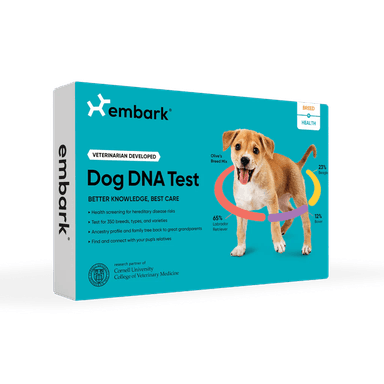
Embark Dog DNA Test

Recommended Product

Your dog's DNA could reveal hidden health risks.

Screen for 270+ genetic health risks and 350+ breeds. Veterinarian developed, research partner of Cornell University.

$199 USD
$139 USD
Save $60· Free US Shipping

Symptoms

Symptoms usually begin around 3 months of age. Early signs include unsteady movements, poor reflexes, head tremors, and loss of balance (ataxia). Over time, these symptoms become increasingly severe, leaving affected dogs unable to coordinate their movements properly.

Care and Management

There is no cure for cerebellar cortical degeneration. Veterinary care is supportive only, focusing on keeping the dog comfortable and safe, but because the disease progresses quickly and severely affects quality of life, many affected dogs are euthanized.

Breeds Commonly Affected

Vizsla

Learn More About Cerebellar Cortical Degeneration

What does cerebellar cortical degeneration look like in dogs?

Symptoms usually begin around 3 months of age. Early signs include unsteady movements, poor reflexes, head tremors, and loss of balance (ataxia). Over time, these symptoms become increasingly severe, leaving affected dogs unable to coordinate their movements properly. Definitive diagnosis is available through DNA testing of the SNX14 gene. Book a vet visit for a proper evaluation — catching it early opens up more management options. Our vets can do a same-day consult to help you assess what you're seeing.
What should I do if my dog has been diagnosed with cerebellar cortical degeneration?

There is no cure for cerebellar cortical degeneration. Veterinary care is supportive only, focusing on keeping the dog comfortable and safe, but because the disease progresses quickly and severely affects quality of life, many affected dogs are euthanized. Work closely with your vet to develop a management plan tailored to your dog's specific needs and severity. Our vets can walk you through the management options and help you feel more confident about the path forward.

What's the prognosis for a dog with cerebellar cortical degeneration?

Cerebellar Cortical Degeneration has no cure and treatment options are limited at this time. There is no cure for cerebellar cortical degeneration. Veterinary care is supportive only, focusing on keeping the dog comfortable and safe, but because the disease progresses quickly and severely affects quality of life, many affected dogs are euthanized. Supportive care focused on your dog's comfort is the primary approach. Talk to your vet about what realistic expectations look like for your dog's specific situation.

What does cerebellar cortical degeneration treatment cost for dogs?

A DNA test for the SNX14 gene costs $75–$150. Combined with a veterinary exam and any additional workup, initial diagnostics typically run $300–$800 total. Ongoing neurological monitoring typically costs $150–$300 per visit every 3–6 months. Physical therapy or hydrotherapy, if recommended, runs $50–$100 per session. Check whether your pet insurance covers genetic conditions — policies taken out before symptoms often provide significant coverage.

What breeds are most prone to cerebellar cortical degeneration?

Cerebellar Cortical Degeneration primarily affects Vizslas. The condition is autosomal recessive, caused by a mutation in the SNX14 gene. DNA testing for the SNX14 gene is available and gives a definitive answer. Affected dogs need two copies of the mutation. Carriers (one copy) are clinically normal. Never breed two carriers — Carrier × Clear pairings produce no affected puppies. Test all breeding stock and share results with your breed club. Not sure how to interpret your breeder's health testing? Our vets can break it down for you in a quick consult.

References & Citations

Fenn, J., Boursnell, M., Hitti, R.J., Jenkins, C.A., Terry, R.L., Priestnall, S.L., Kenny, P.J., Mellersh, C.S., Forman, O.P. : Genome sequencing reveals a splice donor site mutation in the SNX14 gene associated with a novel cerebellar cortical degeneration in the Hungarian Vizsla dog breed. BMC Genet 17:123, 2016. Pubmed reference: 27566131. DOI: 10.1186/s12863-016-0433-y.

Chat to our Global Vet Team

Get expert advice on symptoms, testing, and next steps for your dog from an online vet - all from the comfort of home.

Chat to a Vet Online
Embark Breed + Health Dog DNA Test

Recommended for Dog Owners

Embark Breed + Health Dog DNA Test

18,899 Reviews

The most comprehensive dog DNA test. Screen for 270+ genetic health risks and identify breeds from 350+ breeds, types & varieties.

$199$139Save $60

Free US Shipping · Veterinarian Developed