Before considering ivermectin for your dog, it's crucial to be aware that some breeds are particularly sensitive to it, and you should always consult with a veterinarian for tailored advice.
- Ivermectin sensitivity in certain breeds like Collies and Shelties
- Potential for drug interactions with existing medications
- Signs of ivermectin toxicity, such as lethargy and tremors
Ivermectin can be an effective treatment option for specific parasitic infections, but incorrect usage poses significant risks, especially for ivermectin-sensitive breeds. Several factors such as your dog's weight, health status, and breed can influence how safe and effective this medication will be. Consulting a veterinarian ensures that your pet gets the most appropriate and effective treatment plan.
For more personalized advice, book a consultation with a vet for expert guidance.
Frequently Asked Questions
- How can I tell if my dog is ivermectin-sensitive?
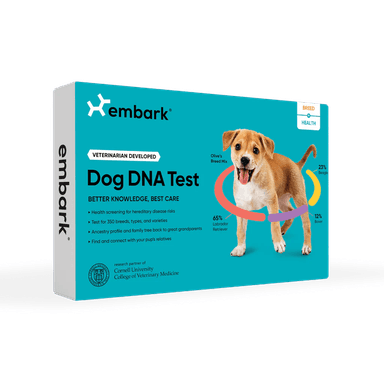
If your dog is of a breed known for sensitivity, such as a Collie or Sheltie, or if you're unsure, always talk to your vet to perform an MDR1 genetic test, which can determine their susceptibility to ivermectin toxicity.
- What are the signs of ivermectin toxicity?
Symptoms of toxicity may include vomiting, drooling, tremors, seizures, or even coma. If you observe any of these, seek veterinary care immediately.
- Are there any alternatives to ivermectin for treating parasites?
Yes, there are various other medications and treatments available depending on the type of parasites. Your veterinarian can provide options that are safe for your pet's specific needs and health conditions.