Myotonia Congenita (Australian Cattle Dog) in dogs
Muscle/NeurologicalRecessive

Myotonia Congenita (Australian Cattle Dog) in Dogs

19/08/2025 by Dr Robyn Bird.

Category

Muscle/Neurological

Inheritance

Recessive

Gene

CLCN1

Breeds at Risk

2+ breeds

Overview

Myotonia congenita is an inherited muscle disorder most commonly seen in breeds such as the Australian Cattle Dog. It is caused by a mutation in the CLCN1 gene, which results in delayed muscle relaxation after contraction. While the condition can cause noticeable stiffness and mobility issues, it is non-painful and does not usually shorten a dog’s lifespan.

In This Article

Embark Dog DNA Test

Recommended Product

Your dog's DNA could reveal hidden health risks.

Screen for 270+ genetic health risks and 350+ breeds. Veterinarian developed, research partner of Cornell University.

$199 USD
$139 USD
Save $60· Free US Shipping

Symptoms

Signs often appear when puppies begin walking. Affected dogs may have a stiff, uncoordinated gait that is sometimes described as a “bunny hop.” They may stumble or fall frequently and show muscle stiffness that can improve with regular movement or exercise. Other features include visibly enlarged muscles, particularly in the neck and limbs, and unusual posture. Episodes can worsen in hot weather or during times of excitement.

Care and Management

There is no cure for myotonia congenita, but supportive care can make a big difference. Regular exercise helps reduce stiffness and improve coordination. Medications may also be prescribed to relieve muscle stiffness, and physiotherapy is a valuable tool for ongoing management. Owners should keep a close eye on their dogs during hot weather or excitement, as these can trigger or worsen symptoms. With the right care, affected dogs can live comfortably.

Breeds Commonly Affected

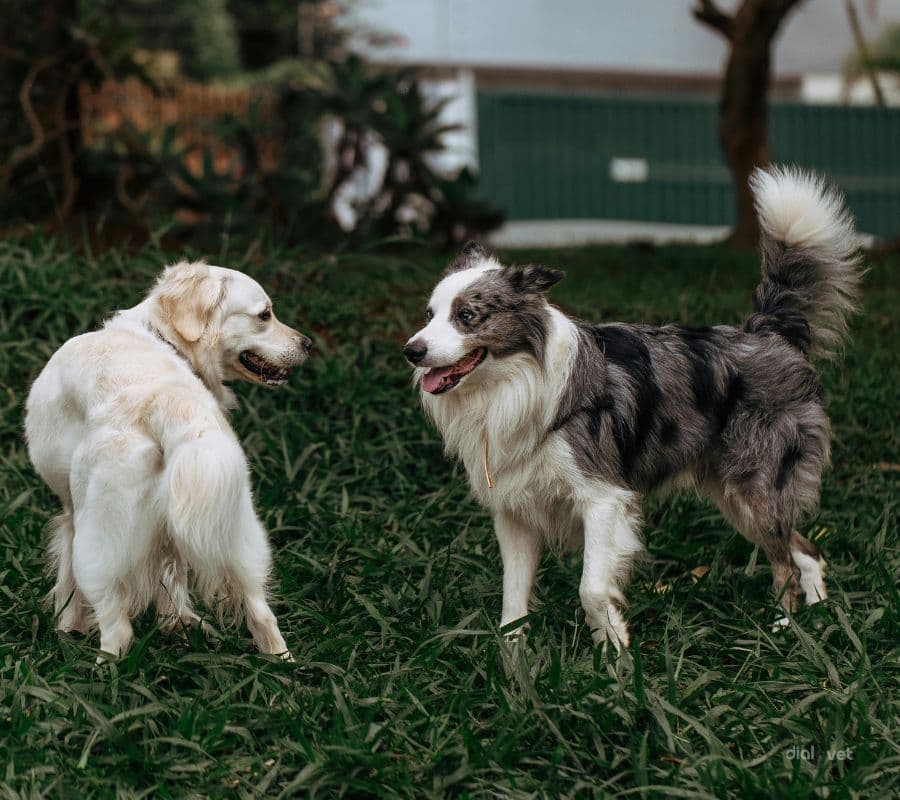
Australian cattle dogborder collie

Learn More About Myotonia Congenita (Australian Cattle Dog)

How do I tell if my puppy has myotonia congenita?

That description — stiffness that improves with movement — is the hallmark of myotonia congenita. Signs often appear when puppies start walking. Affected dogs have a stiff, uncoordinated gait sometimes described as 'wooden' or 'bunny-hopping,' and muscles may visibly bulge or appear overdeveloped. The stiffness is most noticeable after rest and typically improves with activity. It's caused by a mutation in the CLCN1 gene affecting chloride channels in muscles. It's seen in Australian Cattle Dogs and Border Collies. A DNA test for CLCN1 confirms the diagnosis. Our vets can help you get a proper workup started.
What should I do if my dog has myotonia congenita?

While there's no cure, supportive care makes a real difference. Regular, gentle exercise helps reduce stiffness — short, frequent walks are better than occasional long ones. Avoid letting your dog get cold, as cold exacerbates muscle stiffness. Warm-up periods before activity help. Some vets prescribe muscle relaxants (like mexiletine) for more severely affected dogs. Keep your dog at a healthy weight to reduce strain on stiff muscles. Avoid situations that require sudden movement. Most dogs with myotonia congenita adapt well and live happy lives. Our vets can discuss whether medication would help your dog's specific case.

Can myotonia congenita in dogs be cured?

Myotonia congenita is a lifelong condition — the chloride channel defect in muscles is genetic and permanent. There's no cure, but symptoms can be managed. The stiffness tends to be most pronounced in young dogs and may stabilize or even slightly improve with age and regular exercise. Medication can help in moderate to severe cases. Most affected dogs lead comfortable lives with good management. The condition isn't typically painful — it's more about mobility and awkwardness than suffering.

How much does managing myotonia congenita cost?

Costs are relatively modest. Initial diagnostics (DNA test, neurological/muscle evaluation) run $200–$800. If medication is prescribed (mexiletine or similar), expect $30–$80/month. Regular vet monitoring every 6–12 months at $100–$200/visit. The biggest ongoing cost may be physical therapy or hydrotherapy if recommended ($50–$80/session). Most dogs don't need intensive medical management. Total annual cost for a typical case is $500–$1,500. Pet insurance coverage for genetic conditions varies. Our vets can help you determine what level of management your dog needs.

How is myotonia congenita inherited in dogs?

Myotonia congenita is autosomal recessive, caused by a CLCN1 gene mutation. It affects Australian Cattle Dogs and Border Collies. Affected dogs have two copies, carriers have one (clinically normal), clear dogs have none. DNA testing is definitive. Never breed two carriers — Carrier × Clear pairings produce no affected puppies. Test all breeding stock and share results with breed clubs. Transparency with puppy buyers about parent testing status is important. Our vets can help interpret results and plan safe pairings.

References & Citations

Finnigan, DF., Hanna, WJ., Poma, R., Bendall, AJ. : A novel mutation of the CLCN1 gene associated with myotonia hereditaria in an Australian cattle dog. J Vet Intern Med 21:458-63, 2007. Pubmed reference: 17552451.

Chat to our Global Vet Team

Get expert advice on symptoms, testing, and next steps for your dog from an online vet - all from the comfort of home.

Chat to a Vet Online
Embark Breed + Health Dog DNA Test

Recommended for Dog Owners

Embark Breed + Health Dog DNA Test

18,899 Reviews

The most comprehensive dog DNA test. Screen for 270+ genetic health risks and identify breeds from 350+ breeds, types & varieties.

$199$139Save $60

Free US Shipping · Veterinarian Developed